Getting there from Delhi
The Delhi–Dehradun Expressway opened on 14 April 2026: 210 km of access-controlled highway that cuts Delhi→Dehradun to roughly 2.5 hours and Delhi→Rishikesh to roughly 3.5 hours by car. Every itinerary here is re-timed around it — most Uttarakhand roadheads are now a comfortable single day from Delhi instead of an overnight ordeal.
Your gateway is Dehradun. From there it is 206 km and 8–9 hours of hill road to Sankri (1,967 m), which is where the walking starts.
210 km via the Delhi–Dehradun Expressway. One-way car toll approx ₹670.
Anand Vihar Terminal → Dehradun. Fastest train on the route; book the moment the window opens in trek season.
Overnight option — sleep on the train, start the hill drive at dawn.
From ISBT Kashmiri Gate. Services run through the night, roughly 02:00 to 23:55.
Shared cabs and buses run Dehradun → Sankri in the morning. A private cab is the reliable option and splits well across four people.
When to go
Best window: December – April.
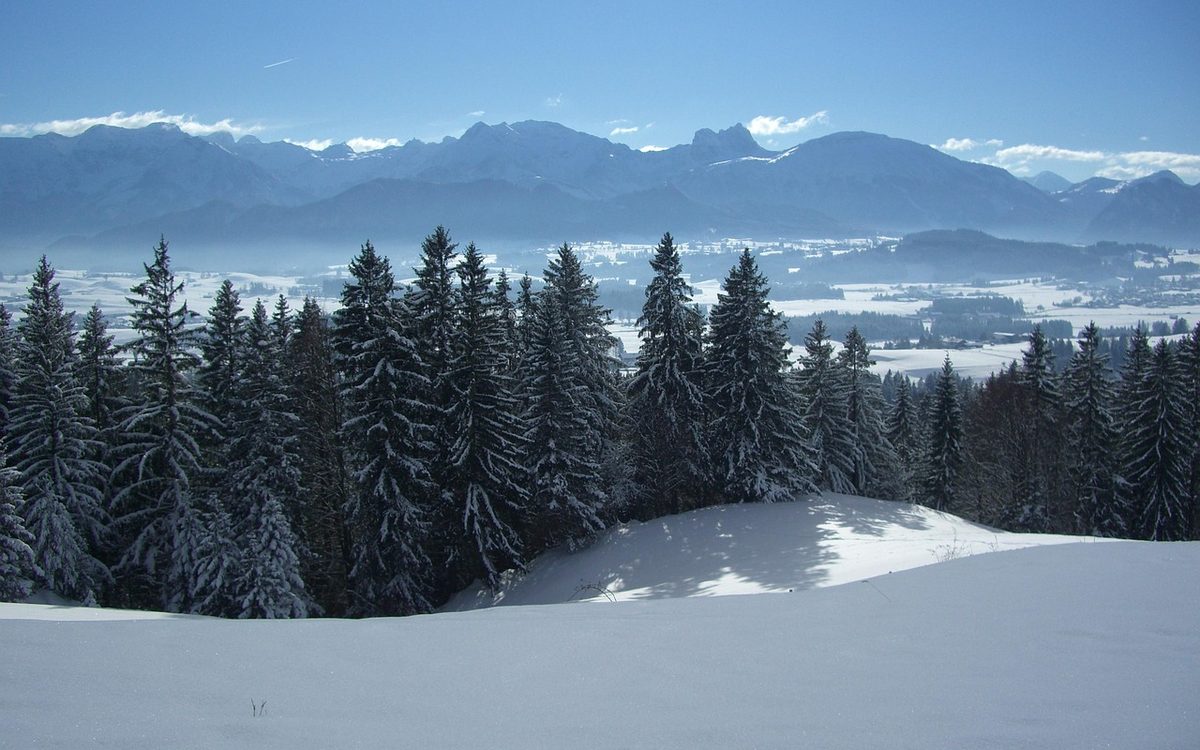
The reason people come. Thickest snow, clearest skies, coldest nights — expect −10°C or lower at base camp.
Snow is present but thinner; easier walking, slightly kinder nights.
No snow, big views, empty trails. A completely different trek — meadows instead of white.
July – August. Monsoon in Uttarkashi district means landslides on the Mori–Sankri road and no views at all.
No technical skill needed, but summit morning is a sustained 1,200 ft climb on snow, in the dark, in single-digit-negative temperatures. It is a fitness trek, not a skills trek.
The plan, day by day
Day 0 is the Delhi leg. Every altitude below is where you sleep that night, not the day's high point.
Delhi → Dehradun
Take the expressway in the afternoon or an overnight train. Sleep in Dehradun — the Sankri drive needs an early, unhurried start, and doing Delhi→Sankri in one push is a 14-hour day nobody enjoys.
Dehradun → Sankri
Leave by 06:00. The road runs via Mussoorie, Kempty Falls, Naugaon, Purola and Mori — the last two hours along the Tons river are the prettiest. Sankri is a single-street village; buy anything you forgot here, because this is the last shop.
Sankri → Juda ka Talab
Straight into pine and oak forest, climbing steadily from about 7,200 ft to 9,100 ft. Juda ka Talab is a frozen lake in a clearing — in January you camp on the snow beside it. A short day by distance, a real one by altitude gain.
Juda ka Talab → Kedarkantha base camp
The forest thins and opens into meadow with the summit cone finally in view. Reach camp by early afternoon, then spend the evening deliberately doing nothing — hydrate, eat, sleep early. Wake-up is around 02:00.
Summit day → Hargaon
Start in the dark on snow, microspikes on. The final ridge is steep and cold, and then you are on top at 12,500 ft with Swargarohini, Bandarpoonch and Black Peak in a full circle. Descend past camp to Hargaon in forest — a warmer, gentler night.
Hargaon → Sankri
An easy downhill morning through rhododendron back to Sankri. Afternoon free — wash, eat properly, walk the village.
Sankri → Dehradun → Delhi
The long drive back. Aim to reach Dehradun by 17:00, then the expressway or a night train home. Budget a buffer — do not book a same-evening flight.
Permits, fees and budget
Carry two photocopies of a government photo ID. The post checks documents on the way in and again on the trail.
Organised packages are quoted Sankri-to-Sankri. Add your Delhi–Dehradun travel and the Dehradun–Sankri shared cab on top — that is usually ₹3,500–6,000 more, return.
What to carry
Non-negotiable
- Insulated waterproof trekking boots with ankle support
- Down or synthetic jacket rated to −10°C
- Microspikes or crampons for summit morning
- Gaiters
- Waterproof outer shell (jacket + trousers)
- Headlamp with fresh batteries — the summit push starts in the dark
- UV sunglasses (snow glare is brutal)
- Two pairs of insulated gloves — one will get wet
Bring if you can
- Trekking poles
- Thermal base layers (two sets)
- Woollen socks, three pairs
- Balaclava or buff
- 1L insulated flask — plain bottles freeze
- SPF 50 and lip balm
- Personal first aid with blister care
Rent this kit from us in Delhi
Buying a down jacket and a four-season tent for one trek costs more than the trek. We are setting up trekking-gear rentals out of Delhi — pick up before you leave, drop back when you return. For Kedarkantha you would want:
- Down sleeping bag
- 4-season tent
- Down jacket
- Rucksack (55–65L)
- Microspikes
- Trekking poles
- Headlamp
- Gaiters
Join the list and you will hear the day it opens.
Getting fit for it
Summit day is the whole trek compressed into six hours. If you can do the four benchmarks above, altitude will be an experience rather than a fight. Start 6 weeks out.
Be able to do all of these before you go
- 5 km run in under 35 minutes, comfortably
- Three flights of stairs with a 6 kg pack without stopping
- Two 8–10 km back-to-back walking days on a weekend
- Ankle and calf work — descending in snow punishes both
Know before you go
- It is popular — December-end and New Year see hundreds of tents at base camp. Go mid-January or midweek if you want the mountain quiet.
- Mobile signal ends at Sankri. Tell people at home they will not hear from you for four days.
- The Mori–Sankri road closes after heavy snow or a landslide. Keep one spare day in your plan; the mountain does not care about your Monday standup.
- ATMs are unreliable past Purola. Carry cash for permits, porters and tips.
- Altitude is modest but real. If you get a headache that painkillers do not touch, tell someone immediately — descending 500 m fixes almost everything.
Why this one is worth your leave days
- A genuine 12,500 ft summit that a fit beginner can do
- Camping on snow beside the frozen Juda ka Talab
- 360° summit panorama — Swargarohini, Bandarpoonch, Black Peak, Ranglana
- Four Garhwali villages on the drive in, largely unbothered by tourism
Costs, permit fees and transport timings are researched estimates for the 2026 season and move around. Treat them as planning ranges, not quotes, and re-check permits and road status before you book.
Last updated 2026-08-18
Newsletter
Get the next guide first
New itineraries, gear-rental launch dates and trek films — one email, no spam at any altitude.