Getting there from Delhi
The Delhi–Dehradun Expressway opened on 14 April 2026: 210 km of access-controlled highway that cuts Delhi→Dehradun to roughly 2.5 hours and Delhi→Rishikesh to roughly 3.5 hours by car. Every itinerary here is re-timed around it — most Uttarakhand roadheads are now a comfortable single day from Delhi instead of an overnight ordeal.
Your gateway is Rishikesh / Haridwar. From there it is 250 km and 9–10 hours of hill road to Govindghat (3,050 m), which is where the walking starts.
Expressway plus the Rishikesh spur. The single best way to reach a Garhwal roadhead in one day.
Frequent services; Haridwar → Rishikesh is another 45–60 min by road.
ISBT Kashmiri Gate → Rishikesh, frequent overnight departures.
Shared cabs and buses run Rishikesh / Haridwar → Govindghat in the morning. A private cab is the reliable option and splits well across four people.
When to go
Best window: July – August. The park is open 1 June – 31 October 2026.
The valley at its absolute best — hundreds of species flowering at once. Also the wettest. Book permits online in advance.
Fewer flowers but far fewer people, and the skies begin to clear. An excellent trade.
Almost no flowers. Come for the valley, the waterfalls and Hemkund rather than the bloom.
November – May. The park is shut and Ghangaria is empty; Hemkund is under snow.
No technical ground, but four consecutive days of long uphill walking at 3,000–4,600 m. The Hemkund climb — 6 km up, 1,600 m of altitude in a morning — is the hardest single thing here.
The plan, day by day
Day 0 is the Delhi leg. Every altitude below is where you sleep that night, not the day's high point.
Delhi → Rishikesh
Roughly 3.5 hours on the expressway spur. Overnight in Rishikesh so you can start the Garhwal drive at first light.
Rishikesh → Govindghat
A full day along the Alaknanda through Devprayag, Srinagar, Rudraprayag, Chamoli and Joshimath. Leave by 05:00 — Garhwal's roads are best driven in daylight, and monsoon landslide clearances can hold you up for an hour without warning.
Govindghat → Pulna → Ghangaria
A 4 km shared taxi to Pulna, then a 9–10 km walk beside the Laxman Ganga to Ghangaria. Mules, pilgrims and porters share the trail. Ghangaria is the base for everything that follows — book two nights, not one.
Ghangaria → Valley of Flowers → Ghangaria
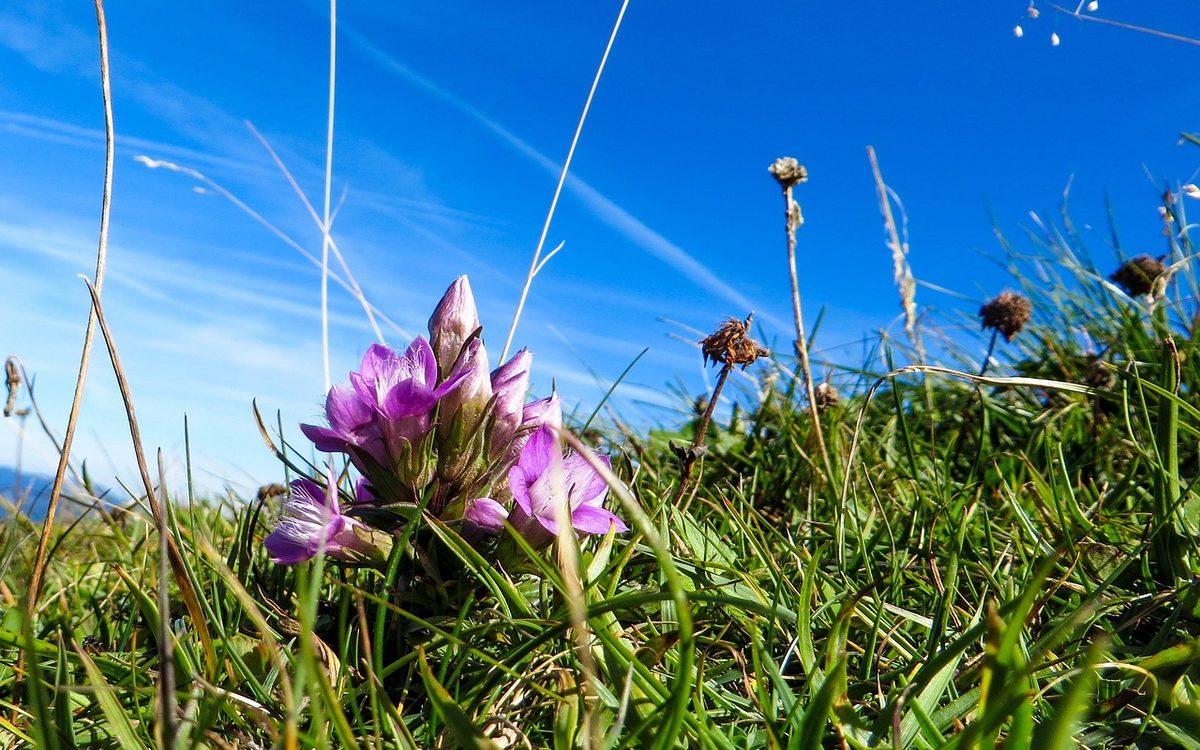
Be at the gate at 07:00 with your permit. Cross the Pushpawati and climb into the valley — then walk slowly, because the point is what is at your feet. Blue poppies, potentillas, cobra lilies, brahmakamal. Turn around in good time; you must be out before 17:00.
Ghangaria → Hemkund Sahib → Ghangaria
The hard day: 6 km of relentless stone steps to a glacial lake at 4,632 m, ringed by seven peaks, with the highest gurudwara in the world on its shore. Start by 06:00, drink the langar tea, and do not linger long at the top — altitude plus weather turns fast.
Ghangaria → Govindghat → Joshimath
Walk down to Pulna and drive to Joshimath. If you have a spare day, this is where to spend it — Auli's meadows are a 45-minute drive or a cable car away.
Govindghat → Rishikesh → Delhi
The long drive out, then the expressway home. Keep the evening free; monsoon-season road delays are normal, not exceptional.
Permits, fees and budget
Valid three days. Every visitor needs one — no exceptions, online or offline.
It is a working gurudwara. Cover your head, remove shoes at the shrine, and be mindful of pilgrims for whom this is not a trek.
- Gates open 07:00; last entry approximately 14:00
- You must be walking back well before the 17:00 close
- No overnight stay inside the park — everyone returns to Ghangaria
- No plastic, no plucking, no leaving the marked trail
Ghangaria is supplied entirely by mule and porter, so beds and food cost noticeably more than elsewhere in Garhwal. Budget ₹1,000–2,500 a night for a room and ₹800–1,200 a day for food.
What to carry
Non-negotiable
- Genuinely waterproof jacket and pack rain cover — 'water-resistant' will not do here
- Waterproof boots with good grip — the stone steps to Hemkund are slick
- Quick-dry layers; cotton stays wet for days
- Poncho that covers your pack
- Dry bags or heavy zip-lock bags for camera, phone and documents
- Trekking poles — real knee insurance on the Hemkund descent
Bring if you can
- Light fleece and a warm layer for Ghangaria evenings
- Two pairs of shoes so one can dry
- Umbrella — unfashionable, universally used here
- Salt or electrolyte sachets
- Powerbank; Ghangaria's electricity is intermittent
Rent this kit from us in Delhi
Buying a down jacket and a four-season tent for one trek costs more than the trek. We are setting up trekking-gear rentals out of Delhi — pick up before you leave, drop back when you return. For Valley of Flowers & Hemkund Sahib you would want:
- Rucksack (55–65L) with rain cover
- Waterproof shell jacket
- Trekking poles
- Down jacket for the Hemkund morning
- Headlamp
Join the list and you will hear the day it opens.
Getting fit for it
This trek is about repeat endurance, not one hero day. Four long uphill days in a row is what you are training for. Start 6 weeks out.
Be able to do all of these before you go
- Continuous 45-minute stair or incline session
- 5 km walk with a 6 kg pack, four times a week
- One long weekend walk of 12–14 km
- Specific quad and knee strengthening for the descents
Know before you go
- Book the park permit online before you leave. The Ghangaria queue in peak bloom week costs you the morning — the best light and the emptiest trail.
- Two nights in Ghangaria, minimum. Compressing the valley and Hemkund into one day is the most common mistake here, and it ruins both.
- This is monsoon country by definition — the flowers exist because of the rain. Plan for wet, not for sunshine.
- Ponies and porters are available at Govindghat and Ghangaria if a knee gives out. Fix the price before you start walking.
- Landslides can close the Rishikesh–Joshimath road for hours. Build in one buffer day; it is the difference between an adventure and a missed flight.
Why this one is worth your leave days
- A UNESCO World Heritage valley with 300+ flowering species
- Hemkund Sahib — the world's highest gurudwara, at 4,632 m
- Waterfalls in every direction through the Bhyundar valley
- Langar tea at 15,200 ft, which tastes better than anything you own
Costs, permit fees and transport timings are researched estimates for the 2026 season and move around. Treat them as planning ranges, not quotes, and re-check permits and road status before you book.
Last updated 2026-08-18
Newsletter
Get the next guide first
New itineraries, gear-rental launch dates and trek films — one email, no spam at any altitude.